Savin’ Knees Wherever You Please!
Ergonomic gardening kneepads evolved in the 1990s as manufacturers recognized that traditional construction kneepads designed for continuous kneeling caused discomfort during gardening’s frequent position changes between kneeling, standing, and moving.
These specialized pads incorporated breathable materials, anti-slip surfaces, and adjustable attachment methods reducing pressure on knees.
Each addresses different mobility levels, knee conditions, and task durations while minimizing strap chafing and the inconvenience of pull-on/off removal.
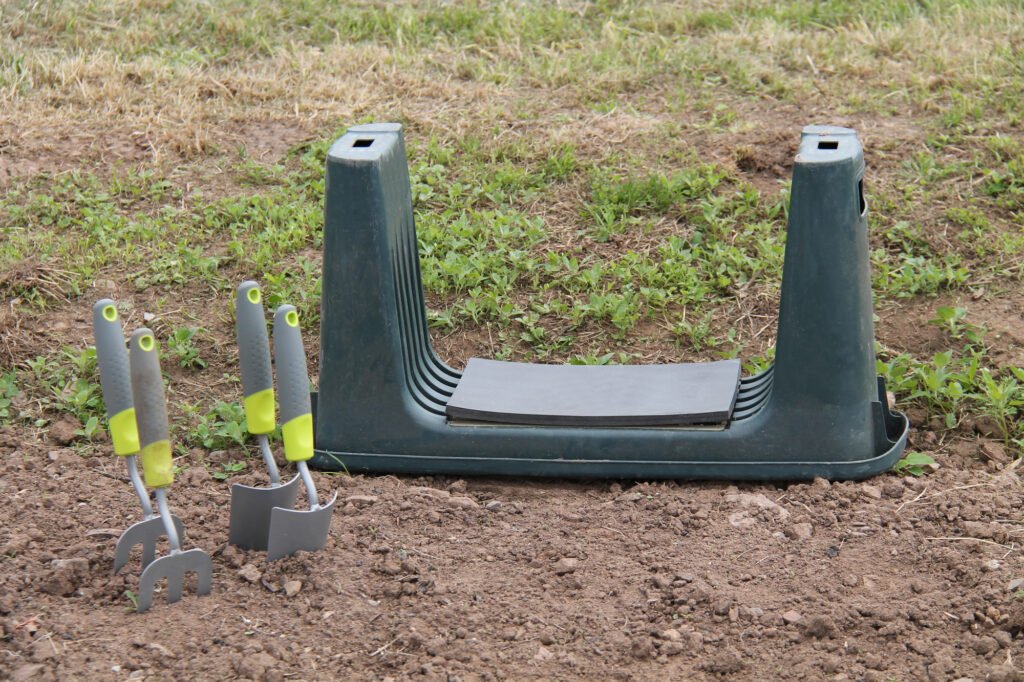
In addition to ergonomic knee pads, check out Smooth Gardening’s Buying Guides for kneeling pads and garden seats to eliminate leg attachment concerns if you experience strap sensitivity.
Smooth Gardening’s Kneepad Picks
Some links on this site are affiliate links. This means if you click and make a purchase, I may earn a commission at no extra cost to you. As an Amazon Associate, I earn from qualifying purchases. Thank you for your support!




Key Features to Consider
Attachment Method
Compare wide elastic straps (2-4 inches), pull-on neoprene sleeves, strap-free compression designs, and clip-on attachment systems.
- Wide elastic straps distribute pressure preventing the cutting and chafing caused by narrow 1-inch straps common on construction pads
- Pull-on sleeves eliminate straps entirely but create removal difficulty when hands are dirty or joints are stiff
Padding
Verify padding ranges from 3/4 inch (lightweight mobility) to 2 inches (maximum cushioning) with foam density of 30-60 durometer.
- Thicker padding protects knees on hard surfaces (concrete, pavers) but adds bulk reducing mobility
- Thinner padding suits soft soil but provides inadequate protection on hardscaping
- Multi-density foam combining soft top layers with firm bases prevents bottoming out while maintaining comfort
Anti-Slip
Look for textured rubber, silicone grip patterns, or PVC dots on outer surfaces preventing forward sliding on slopes or wet grass.
- Smooth-surfaced pads slip on inclines causing repositioning frustration and potential falls
- Aggressive tread patterns grip reliably but accumulate mud requiring frequent cleaning
Breathability
Select mesh backing, perforated foam, or moisture-wicking fabrics preventing sweat accumulation during extended use in warm weather.
- Non-breathable rubber or vinyl pads trap heat and moisture causing discomfort within 15-20 minutes
- Breathable designs maintain comfort for 45-60 minute sessions
Size
Check pad dimensions covering kneecap plus 2-3 inches on all sides (typically 8×10 inches minimum) providing adequate protection during position shifts.
- Undersized pads require precise kneeling placement and expose knees during slight movements
- Oversized pads interfere with mobility and add unnecessary weight
Adjustability
For strap-on models, verify strap length accommodates calf circumferences from 10-20 inches covering most body types.
- Non-adjustable or limited-range straps fit poorly on larger or smaller legs causing either compression discomfort or inadequate retention with pads shifting during use
Quick-Release
Look for one-handed clip releases, hook-and-loop closures, or buckle systems enabling pad removal without bending or using both hands.
Complex two-handed strap systems frustrate users with dirty hands or arthritis who struggle with small buckles while kneeling, forcing them to stand repeatedly for adjustments.
Durability
Compare materials for longevity versus comfort trade-offs.
- EVA foam (lightweight, 2-3 years)
- Memory foam (conforms to knees, 2-3 years)
- Closed-cell foam (waterproof, 3-5 year lifespan)
- Gel inserts (superior cushioning, 4-6 years)
Cheaper open-cell foams absorb water and degrade within one season while quality materials maintain cushioning through multiple years.
Weight
Verify total weight under 12 ounces per pad for all-day wearability without leg fatigue.
Heavier pads (over 1 pound each) cause noticeable leg strain during standing and walking portions of gardening, while ultralight designs may sacrifice cushioning for weight reduction.
Washability
Check easy cleaning and washability features such as removable covers, hose-washable materials, or wipe-clean surfaces .
Kneepads contacting soil daily require regular cleaning—non-washable designs accumulate bacteria and odors within weeks while washable models maintain freshness throughout seasons.
Special Considerations
Strap Chafing Prevention
Strap chafing occurs when narrow bands concentrate pressure across small skin areas, friction from movement causes abrasion, or moisture increases skin sensitivity.
Wide straps (2-4 inches minimum) reduce chafing 70-80% versus narrow bands by distributing pressure across larger areas.
Additional chafing prevention strategies include:
- Wearing thin pants or leg compression sleeves under straps creating friction barriers
- Applying anti-chafe balms (BodyGlide, petroleum jelly) to contact areas before gardening
- Positioning straps above or below calf muscle bulge avoiding maximum circumference points
- Loosening straps every 20-30 minutes during extended sessions allowing brief circulation restoration
- Users experiencing persistent chafing despite wide straps should consider compression retention or portable pad systems eliminating leg contact entirely
Chafing severity increases dramatically in temperatures above 75°F when sweat acts as irritant—switch to portable pads during hot weather if chafing persists despite prevention measures.
Pull-On Removal Strategies for Limited Mobility
Pull-on sleeve removal challenges users with limited flexibility, balance issues, arthritis in hands, or restricted bending range.
Remedies include:
- Using longer pull-on sleeves (12-15 inches versus 8-10 inches) providing more material to grasp without bending as deeply,
- Applying baby powder or cornstarch inside sleeves before wearing reducing friction during removal,
- Keeping a sturdy chair or bench near work areas allowing users to sit while pulling sleeves off rather than balancing on one leg,
- Using dressing aids (sock pullers with long handles) adapted for kneepad removal
- Pre-loosening sleeves by rolling tops down slightly before final kneeling session simplifying removal positioning
Users finding removal consistently problematic should prioritize strap systems with quick-release mechanisms over sleeve designs regardless of comfort advantages—a pad that can’t be removed independently becomes mobility hindrance rather than aid.
Task-Appropriate Selection
Match kneepad type to specific gardening activities for optimal performance.
- Transplanting and planting in small areas suits portable cushions (work concentrated, minimal repositioning)
- Weeding long rows requires strap-on pads enabling mobile work without hand-carrying pads
- Raised bed maintenance works well with kneeling benches (elevated work reduces need for ground contact)
- Hardscaping and paver work demands thick gel-insert designs (hard surfaces require maximum cushioning)
- Mixed gardening sessions benefit from wide-strap quick-release models (easily removed during standing portions)
Many experienced gardeners maintain multiple pad types using each for specific tasks rather than forcing single design to serve all purposes.
Hygiene and Bacterial Growth
Kneepads contacting soil daily accumulate bacteria, fungi, and mold requiring regular cleaning. Non-washable foam pads develop odors and bacterial colonies within 2-3 weeks of daily use.
- Washable designs with removable covers or hose-cleanable materials maintain hygiene through regular cleaning (weekly minimum during active seasons)
- Air-dry pads completely between uses preventing moisture retention that accelerates bacterial growth
- Store pads in ventilated areas rather than sealed containers or garage corners where moisture accumulates
- Consider rotating between two pairs allowing 24-48 hour drying periods between uses
Users with compromised immune systems, open cuts, or skin conditions should prioritize washable designs and clean pads after every use preventing infection risk.
Seasonal Storage and Material Degradation
Store kneepads indoors during winter in climate-controlled spaces (40-80°F) preventing foam degradation from temperature extremes.
- Freezing temperatures cause some foam types to crack or lose elasticity
- Extreme heat (over 100°F) breaks down adhesives and elastic components
- Clean pads thoroughly before storage removing all soil and moisture
- Store flat or hanging rather than compressed in boxes—compression storage causes permanent foam deformation reducing cushioning effectiveness
- Inspect elastic straps and retention systems before each season replacing stretched or damaged components
Most quality kneepads last 3-5 seasons with proper storage and maintenance, while improperly stored pads degrade within 1-2 seasons showing cracking, elastic failure, and cushioning loss.
Recommendations’ Once-Overs
$ (Made in China)
- Knee pads for outdoor or indoor work that requires kneeling
- Ideal for gardening, construction work, floor installation, and other projects
- Hardshell PVC exterior protects your knees and clothing from dirt and debris
- Supportive gel interior pads provide comfort and lessen the impact on your knees, legs, and back
- Adjustable straps to tighten or loosen fit for a variety of body types
$$ (Made in China)
- MAXIMUM COMFORT FOR ALL-DAY USE – Enjoy soft gel and high-density foam padding that cushions your knees through flooring, roofing, tiling, or gardening tasks.
- HEAVY DUTY & BUILT TO LAST – Designed for professionals, our rugged knee pads use thick PVC shell caps that stand up to concrete, gravel, and dirt.
- STAY SECURE & PROTECTED – Adjustable straps and anti-slip design ensure a snug fit with no shifting while you move, kneel, or climb.
- ONE SIZE FITS MOST – Ergonomic, flexible straps and quick-release buckles make them easy to put on and comfortable for all sizes.
- TRUSTED KNEE SUPPORT FOR ANY JOB – Whether you’re a contractor, mechanic, or home DIYer, Projointz delivers reliable performance day after day.
$$$ (Made in USA/China)
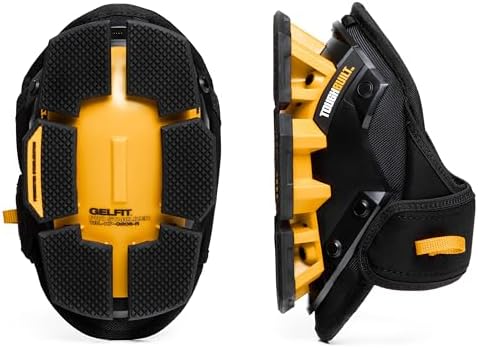
- TOUGHBUILT: Tools designed for smarter more efficient ways of working. Every product reflects a commitment to innovation, durability, and performance that continues to evolve with the brand’s mission to build better tools.
- KNEE PADS: Essential protective gear designed to shield knees from impact, strain, and surface damage. Made from durable shells, cushioning foam, or gel interiors, they combine comfort with heavy-duty performance. Modern designs feature ergonomic shaping, adjustable straps, and non-marring materials to ensure a secure fit, freedom of movement, and durability on any surface.
- QUALITY: Built to the highest standards, our knee pads deliver unmatched durability in harsh jobsite environments. Crafted with abrasion-resistant 1680D fabric, a rugged double-injected shell, non-slip rubber, and shatter-resistant plastic, they’re made to outlast constant wear and tear. Heavily textured contact surfaces add grip and safety,
- LIMITED LIFETIME WARRANTY: ToughBuilt products are built tough and protected against defects in materials or workmanship when used properly, excluding normal wear or misuse. This warranty replaces all other express warranties.
- EXPLORE MORE: Discover the full ToughBuilt lineup in our Brand Store—durable tools, gear, and home solutions built for strength and versatility.
$$$$ (Made in USA/China)
- ⚡THUNDERBOLT PLATINUM PRO-DOUBLE GEL: 2025 NEW IMPROVED VERSION!! WE’VE UPGRADED WITH EXTRA THICK DOUBLE GEL! MOST COMFORTABLE extra strong materials and heavy duty reinforced stitching. Made for long lasting comfort and protection. Heavy-duty breathable neoprene, ballistic nylon, and engineered PVC.
- ⚡HEAVY DUTY NON-SLIP POWERSHIELD designed to protect knees and damage to clothing while preventing abrasions to surfaces. Protects against nails, screws, glass and debris. Rodilleras de trabajo.
- ⚡ERGONOMIC DESIGN delivers extra comfort and support to patellar tendon below knee and quadriceps above knee. Soft gel core and thick engineered foam core provides superior protection.
- ⚡PROFESSIONALS CHOICE for Knee Pads for Gardening, Knee Pads for Construction ,Knee Pads for Roofing, Knee Pads for Cleaning, Knee Pads for Concrete, Tactical Knee Pads, Knee Pads for Tile, Knee Pads for Flooring Installers, Knee Pads for Carpet Installation, HVAC Knee Pads, Knee Pads for Carpentry, Welding Knee Pads, Knee Pads for Stocking Warehouse and Grocery Shelves.
- ⚡FULLY ADJUSTABLE Pro fasteners gives secure snug fit for all-day comfort. Quick and easy to put on and take off. Includes free 7″ extension straps! Will fit EVERYONE!
$$$$$ (Made in USA/China)
- 100% Cotton
- Pro-Trusted Brand: The tool storage and tool organization brand of the pros; Designed for demanding environments and built to last
- Professional-Grade Comfort: These Gel Stabilizer Knee Pads feature dual-layer breathable gel and foam padding to reduce fatigue and provide all-day comfort and support
- Breathable Neoprene Strap: Wide comfort strap is crafted from breathable neoprene and reinforced with stitching for long-lasting durability and secure fit during intense tasks like flooring or decking
- Shock-Absorbing Caps: Non-skid stabilizer caps offer a stable, shift-free grip and excellent traction on a wide range of surfaces including tile, laminate, concrete, and wood
- Ideal For Multi-Surface Projects: Great for professionals and DIYers using tools, welding accessories, carpet pad layers, or gardening kneeling pads; supports users looking for hinged knee brace alternatives or construction worker accessories
Care and Maintenance
Daily Cleaning Protocol
- Brush or shake off loose soil after each use before material dries
- Wipe surfaces with damp cloth removing embedded dirt
- For washable models, rinse with hose removing major contamination
- Hang or lay flat in ventilated area for complete air drying
- Never store damp pads creating mildew and odor problems
Deep Cleaning Process
- Hand wash removable covers weekly in mild soap and warm water
- Scrub foam surfaces with soft brush and soap solution monthly
- Rinse thoroughly removing all soap residue affecting grip
- For machine-washable models, use gentle cycle and air dry
- Disinfect with diluted bleach solution (1:10 ratio) quarterly
Strap and Retention System Maintenance
- Inspect hook-and-loop closures for debris reducing grip
- Remove plant material and soil from buckles and clips
- Test elastic stretch—replace when extended 30% beyond original length
- Lubricate buckle mechanisms with silicone spray if stiff
- Hand wash straps separately from pads if removable
Foam and Gel Integrity Checks
- Compress padding checking for permanent deformation or flat spots
- Inspect for cracks, tears, or separation from backing material
- Test gel inserts for hardening or leaking
- Replace pads showing 50% or greater cushioning loss
- Check seams and stitching for separation or fraying
Anti-Slip Surface Restoration
- Clean grip surfaces with degreaser removing film and mud
- Scrub textured areas with stiff brush restoring grip pattern
- Replace pads when grip surfaces become smooth or worn
- Apply grip-enhancing sprays if manufacturer approved
- Test grip on various surfaces before each season
Storage Best Practices
- Clean and dry completely before storing
- Store flat preventing foam compression
- Keep in breathable bags rather than sealed plastic
- Maintain temperature-controlled environment (40-80°F)
- Inspect monthly during storage for mold or degradation
- Apply baby powder to elastic components preventing sticking
Bonus Product
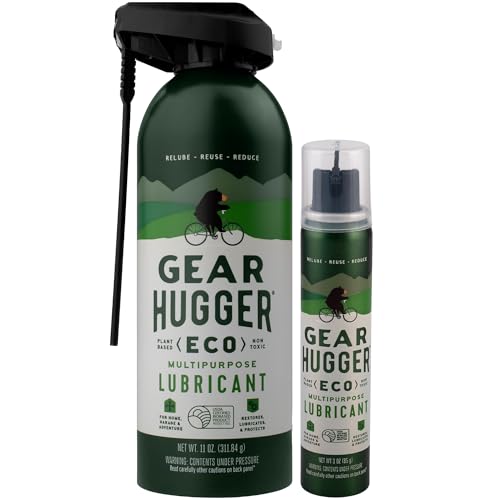
- UNLEASH THE POWER OF ECO-FRIENDLY PROTECTION WITH OUR MULTIPURPOSE LUBRICANT SPRAY – Say goodbye to outdated petroleum-based products, silicone lube, and silicone spray lubricants. Our revolutionary, plant based spray formula is a true all-in-one wonder, functioning as a lubricant, penetrating oil, degreaser, corrosion inhibitor, moisture barrier, and anti rust spray. Crafted with the finest plant-powered ingredients, it delivers unparalleled performance while minimizing environmental impact.
- TWICE THE LUBRICATING POWER – Surpassing traditional lock lubricants and spray lubricants for garage doors with twice the lubricating power, our formula is the result of decades of industry knowledge, research, and testing for unmatched effectiveness. Gear Hugger provides enhanced penetration and heavy-duty antioxidant properties. Witness the perfect solution for squeaky door hinges. Say goodbye to silicone lubricants and other common garage door grease lubricant spray!
- 1001 USES & COUNTING – Gear Hugger is a perfect garage door lubricant spray and sliding door lubricant. It’s also an amazing door hinge lubricant and spray lubricant for metal parts. The possibilities are limitless for this eco friendly lubricant. Quiet squeaky doors, drawers, and rusty hinges. Help lubricate plumbing joints, bike chains, and camping gear! Whether you’re looking for a bike grease, a brake grease, a treadmill lubricant for belt, or a rust remover for metal, we’ve got you covered.
- ENVIRONMENTALLY FRIENDLY LUBRICANT THAT PROTECTS AND RESTORES WITHOUT HARMING OUR PLANET – Make an eco-friendly choice using Gear Hugger to restore, lubricate and protect your gear so it functions optimally, lasts longer and stays out of the landfill. Gear Hugger was created with nature and sustainability in mind. Replace harsh odors, harmful petroleum and PTFE chemicals with our plant-based, non-toxic formula that’s USDA Certified 96% bio-based.
- SAFE AROUND KIDS & PETS, NON-TOXIC, AND EASY TO USE – Contrary to petroleum-based lubricants, Gear Hugger offers a safer alternative that can be used around kids & pets. Gear Hugger is a non-toxic, odorless and biodegradable solution that is easy to use. Forget about the spills left by silicon greases. Gear Hugger is designed with a two way straw nozzle to provide more control. A targeted stream allows an easy and precise application, ensuring uniform and consistent coverage every time!
Conclusion
Ergonomic gardening kneepads reduce knee pain and joint stress by 60-80% compared to unprotected kneeling through:
- Cushioned padding and pressure distribution, enabling 30-90 minute comfortable ground-level work sessions
- Wide elastic straps (2-4 inches) prevent the chafing and circulation restriction caused by narrow construction-style bands
- Alternative strap-free designs (portable cushions and kneeling benches) eliminate leg attachment concerns entirely for users prioritizing convenience or experiencing strap sensitivity
Ergonomic kneepads are essential tools for gardeners seeking comfortable ground-level work while avoiding the strap chafing frustrations and pull-on removal inconveniences that plagued earlier kneepad designs.