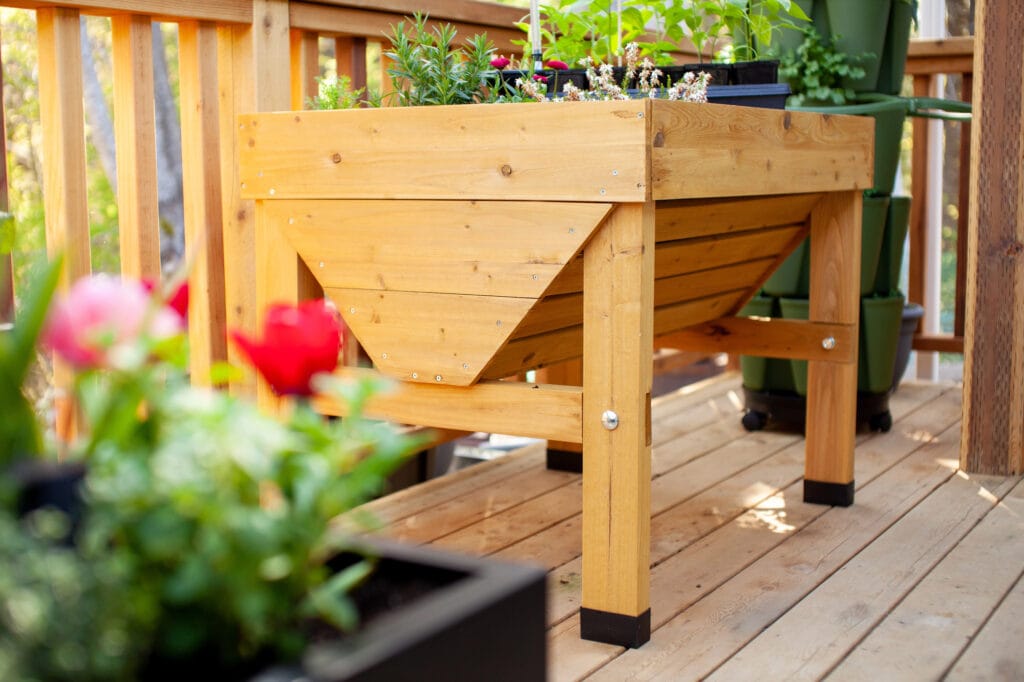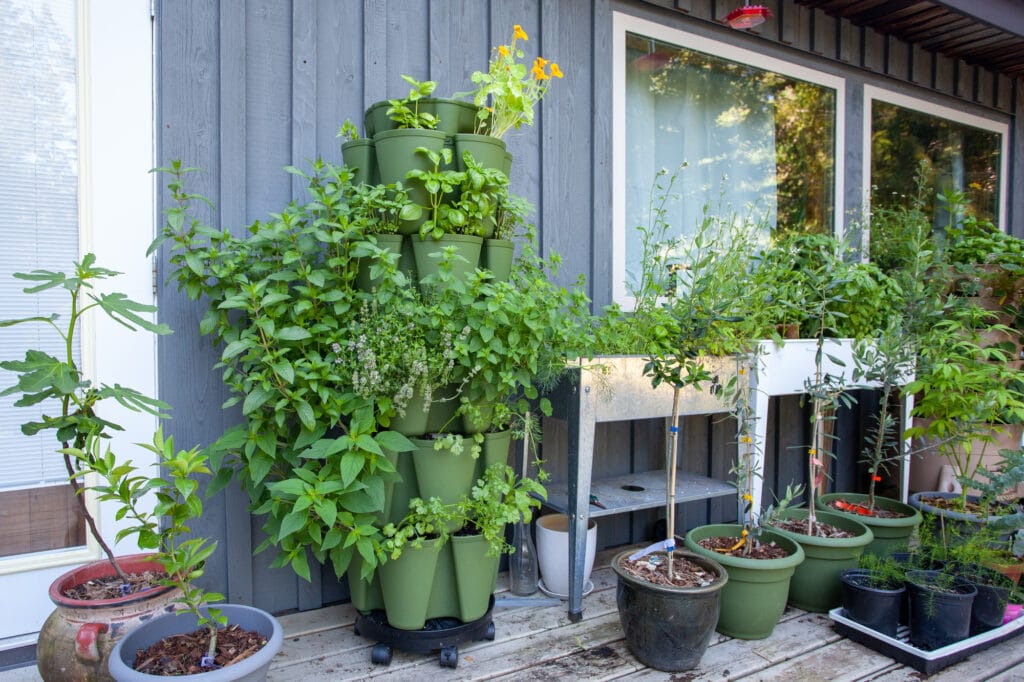
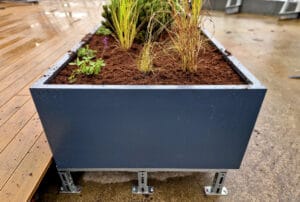
Having many past negative experiences with wood, metal, vinyl, HIPS (High Impact Polystyrene), and other resin and plastic grow containers, I wholeheartedly claim HDPE is the only way to go.
And I’ve never been keen on old tires, cinder blocks, or straw bales, since you cannot effectively control drainage, leading to a high potential for molds, fungi, rot, pests, and plant pathogens.
High-Density Polyethylene (HDPE) raised planter boxes emerged in the gardening market during the 1990s as manufacturers sought alternatives to wood and metal planters. HDPE, the same material used in milk jugs and detergent bottles, proved ideal for outdoor gardening due to its resistance to moisture, chemicals, and temperature fluctuations.
Today, HDPE planters represent a significant segment of the raised bed market, particularly among gardeners prioritizing longevity and minimal maintenance. I will not recommend buying anything other than HDPE grow boxes.
For additional elevated growing options, check out Smooth Gardening’s Buying Guides for: Wheelchair Accessible Planters, soil-based Vertical Planters, and Tower Hydroponic/Aeroponic Kits.
What’s my ‘beef’ with other planting box materials?
- Wood rots, cracks, molds, and is prone to animal/insect chewing and boring. Treated lumber leaches toxic chemicals into soil.
- Metal can rust, dent, slice your fingers, and is noticeably hot or cold when touched. Manufacturers’ common poor paint quality often peels, chips, or fades.
- Other plastics and resins will warp, bow, crack, fade, easily scratch/scuff, and can even melt in high summer heat.
Why do I think High Density Polyethylene (HDPE) is so damn special?
- High tensil strength and rigid
- Great resilience on a wide temperature range
- Excellent resistance to acids, alkalis, and solvents
- Excellent resistance to moisture and humidity
- Excellent resistance to UV rays and weathering
- It is recyclable and has good environmental sustainability compared to other plastics and resins
Pros & Cons
Acknowledging my biases, the pros and cons are listed below for you to make the best decision for your garden:
Pros of HDPE Raised Planters
- Lifespan of 20-50 years with minimal maintenance
- No rotting, splintering, or rust
- Lightweight compared to wood or stone
- Non-toxic for food crops when food-grade certified
- Resists moisture and chemical damage
- Recyclable at end of life
- No painting or sealing required
Cons of HDPE Raised Planters
- Derived from petroleum/natural gas (non-renewable resource)
- Manufacturing process is energy-intensive
- Can bow or warp under heavy soil loads without reinforcement
- Becomes brittle in extreme cold
- Less aesthetically natural than wood or stone
- Higher upfront cost than basic wood options
- Microplastic potential as material degrades over decades
- Limited biodegradability (takes centuries to break down)
Ideal Features
Material Thickness
Look for HDPE walls at least 1 inch thick for structural integrity and insulation. Thicker walls prevent warping under soil weight and provide better temperature regulation for plant roots.
UV Stabilization
Verify the HDPE includes UV stabilizers in the manufacturing process. UV-stabilized HDPE resists fading and brittleness from sun exposure, extending planter lifespan to 20+ years.
Depth
Select boxes with 10-12 inches depth for vegetables and herbs, or 6-8 inches for shallow-rooted plants. Adequate depth supports healthy root development and reduces watering frequency.
Drainage System
Check for pre-drilled drainage holes or a slatted bottom design. Proper drainage prevents root rot and allows excess water to escape without waterlogging soil.
Assembly Method
Consider tool-free interlocking designs versus bolted construction. Interlocking systems allow quick setup and disassembly for seasonal storage or relocation.
Food-Safe Certification
Confirm the HDPE is food-grade rated if growing edible crops. Food-safe HDPE contains no harmful additives that leach into soil, making it safe for vegetables and herbs.
Color Options
Choose between standard colors (black, brown, gray, white) based on aesthetics and heat management. Lighter colors reflect heat in hot climates, while darker colors absorb warmth in cooler regions.
Modular Expandability
Look for systems that connect multiple units together. Modular designs let you expand your garden layout without purchasing completely new structures.
Smooth Gardening’s HDPE Raised Planting Box Picks:
Some links on this site are affiliate links. This means if you click and make a purchase, I may earn a commission at no extra cost to you. As an Amazon Associate, I earn from qualifying purchases. Thank you for your support!
Tier 1 (Made in USA)
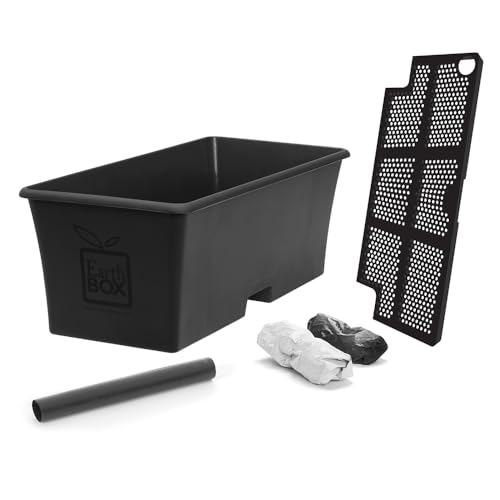
- Includes: 1 EarthBox container, 1 aeration screen, 1 water fill tube, 2 B/W reversible mulch covers, and instruction sheet
- All plastic components are durable, food-safe, UV-stabilized and made in the U.S.A.
- Container holds 2.0 cu. ft. of peat-based growing media (not included), and reservoir holds 3 gallons of water
- Measures 29″L x 13.5″W x 11″H
- Integrated caster sockets (casters not included)
Tier 2 (Made in USA)

- High-quality plastic material is lightweight and weather-resistant
- Strong and sturdy; rated to hold up to 150 pounds; shelf rated to hold 15 pounds
- Removable legs and shelf for easy winter storage; easy open drainage hole
- Raised so it is easy on your back and knees
- Measures 36-inch length by 15.5-inch width by 34-inch height
Tier 3 (Made in China)
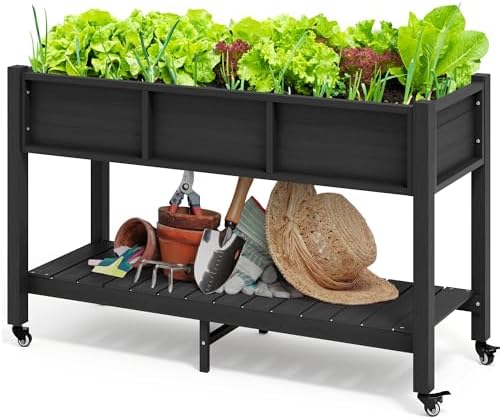
- Nullify
- Double-Tier Space-Saving Design: Maximize planting capacity with two spacious tiers (47x18x31in) – great for flowers, herbs, or veggies. Ideal for patios, balconies, or small yards, offering vertical gardening without sa…
- Heavy-Duty Swivel Casters with Dual Brake System: Features 4 industrial-grade 360° wheels (2 lockable brakes + 2 free-swivel) for effortless mobility on any surface – concrete, wood, or tile. Secure parking on slopes or …
- Weatherproof HIPS Wood-Plastic Composite: Combines the natural look of wood with plastic’s durability: weather resistant, resistant to cracking, chipping, fading and rotting. Material withstands extreme temperatures for …
- Quick Assembly & Multi-Scenario Use: Pre-drilled holes design enable setup in 10 minutes. Use indoors (living rooms, offices) or outdoors (gardens, cafes) – versatile for homes, rentals, or commercial spaces.
Tier 4 (Made in Australia)

- 【Innovative Self Watering】- Plants take what water they need when they need it due to the integrated self-watering system. Just top up the reservoir and your plants self-water. It’s so simple! Glowpear units can be ‘plug…
- 【Water Gauge】- You will never miss watering again, just see what water is needed at a glance with the water level indicator no matter if you put the planter pot on the Deck or Kitchen. Reducing the frequency of watering …
- 【Easily grow the plant&vegetables and herbs you love! 】- No bending required with ideal growing conditions: Pick, prune and water your garden easily due to the raised design with generous 11” soil depth and 16 gal volume…
- 【BPA free!】The pot is made of BPA-free material, ensuring safe and healthy homegrown fruit.
- 【No More Spills】- No spills even when used indoors. The clip-on drip tray takes all the worry out of indoor use. Suitable for both indoor and outdoor environments, providing flexibility in placement and adapting to vario…
Tier 5 (Made in USA/Canada)
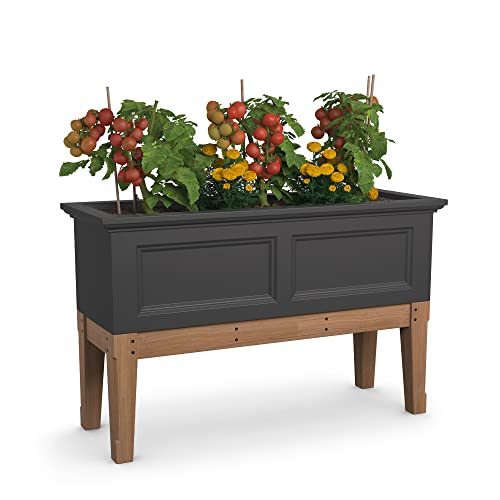
- Space Efficient: Unlike conventional gardens, elevated garden beds help you grow plants anywhere you want (patios, decks, porches, balconies etc.) irrespective of how much space you have to work with
- Durable Planters: We use 100% high-grade Polyethylene resin in the manufacturing process, which makes our products durable, lightweight and highly shock resistant
- Long Lasting Quality: The resin used to create our products contains built-in UV inhibitors that reduce the damaging effects of the sun – This ensures that your product doesn’t fade, preserves its color and increases its…
- Happier Soil: The built-in water reservoir ensures that your soil has consistent moisture, without ever being water-logged – Soil in elevated garden beds also warm up quicker, so you can start growing season as soon as S…
- Ergonomic Design: It’s time to say goodbye to the backpain and knee stress related with gardening – With the Fairfield Elevated Garden Bed, there’s no need to bend or kneel to tend to your plants
Special Considerations
Weight Capacity
HDPE planters hold significantly less weight than wood or composite alternatives. Calculate total weight (soil + water + plants) to ensure the box won’t bow or crack under load. For large planters (4×8 feet or bigger), add internal support braces.
Ground Contact
Place HDPE planters on level, stable surfaces. Unlike wood, HDPE won’t absorb moisture from ground contact, but uneven surfaces cause stress points that lead to cracking.
Temperature Extremes
HDPE becomes more flexible in high heat and brittle in extreme cold (below -20°F). In regions with harsh winters, consider storing empty planters indoors or ensuring they’re filled with soil for structural support.
Recycled vs. Virgin HDPE
- Recycled HDPE costs less but may show color inconsistencies.
- Virgin HDPE offers uniform appearance and slightly better structural properties but comes at a premium price.
Care and Maintenance
Cleaning
- Wash with mild soap and water using a soft brush
- Remove algae buildup with a vinegar solution (1:1 ratio with water)
- Avoid pressure washers, which can damage the surface
Seasonal Maintenance
- Inspect corners and joints for cracks before each growing season
- Tighten any bolts or fasteners on assembled units
- Remove soil and store in a covered area if leaving empty during winter
Soil Management
- Replace or amend soil every 2-3 years to maintain nutrient levels
- Use quality potting mix rather than garden soil for better drainage
- Add compost annually to replenish organic matter
Pest Prevention
- Install hardware cloth on the bottom to deter burrowing pests
- Check regularly for insect nests in drainage holes
- Seal any cracks immediately to prevent pest entry
The Plastics Numbering System (a.k.a. the Resin Identification Code/RIC)
This system uses numbers 1 through 7 to identify the type of plastic resin used in a product.
- #1 and #2 are the most commonly recycled plastics
- #3 through #7 are more difficult and expensive to recycle and are not universally collected in local recycling programs
Resin Identification Code (RIC) Key
- #1 = Polyethylene Terephalate (PET/PETE)
- #2 = High Density Polyethylene (HDPE)
- #3 = Polyvinyl Chloride (PVC)
- #4 = Low Density Polyethylene (LDPE)
- #5 = Polypropylene (PP)
- #6 = Polystyrene (PS)
- #7 = Everything that does not fit into the above resin codes, such as polycarbonate (PC), multi-resin products, and multi-plastic products
Conclusion
HDPE raised planter boxes deliver decades of maintenance-free gardening by resisting rot, rust, and insect damage that destroy wood and metal alternatives.
Lightweight portability, consistent soil temperatures, and safe growing conditions for edible crops—make HDPE planters a practical choice for both beginner and experienced gardeners seeking reliable, long-term planting boxes.